
I built my own house. Not because I’m some expert. Because I got tired of guessing what “green” really meant.
You want a home that doesn’t wreck the planet.
But you’re stuck staring at insulation specs, solar quotes, and vague terms like “eco-friendly.”
Where do you even begin?
Here’s the truth: sustainable home building isn’t about perfection. It’s about choices that add up (ones) that cut your bills, clean your air, and last longer. Yeah, it helps the earth.
But let’s be real. You care more about sleeping easy in a space that doesn’t cost a fortune to heat or cool.
That’s why this guide skips the fluff. No jargon. No guilt trips.
Just straight talk on what actually works for real people building real homes.
You’ll walk away knowing exactly which decisions matter most. And which ones don’t.
All grounded in what’s practical, affordable, and proven.
This is Sustainable Home Building Appchousehold. Not theory. Action.
Clarity. By the end, you’ll know your next move.
Why Go Green? (Really.)
I built my first Sustainable Home Building Appchousehold project in 2019. It wasn’t about trends. It was about stopping the leak.
You burn less fuel. Less gas. Less electricity.
That means fewer emissions going into the air you breathe.
You use rainwater. You recycle greywater. You choose materials that don’t poison the soil.
(Wood from local forests, not shipped across oceans.)
Your bills drop. Not a little. A lot.
Better insulation means your heater doesn’t run all day. Fast appliances draw half the power.
You sleep better. Breathe easier. No off-gassing carpets.
No mold hiding behind drywall. That’s not wellness marketing. That’s physics.
Especially when energy prices jump again. (And they will.)
Resale value? Yes. Buyers pay more for homes that don’t cost a fortune to run.
Want real-world specs on how this works?
Check out Appchousehold. No fluff, just numbers and build plans.
You’re not building for today. You’re building for the next twenty years. Is your house ready?
Smart Design Starts With Sun and Air
I position windows where winter sun hits the floor. Not the ceiling. Not the wall.
The floor. That warmth soaks into concrete or tile and stays all night. (You ever walk barefoot on cold tile at 7 a.m.?
Yeah. Don’t do that.)
Summer sun sits higher. So I use overhangs. Simple ones.
They shade windows when you need it most.
Natural ventilation isn’t just “open a window.” It’s placing windows across from each other. High and low. Hot air rises (let) it escape up top while cool air slips in below.
You feel it. You don’t need a thermostat to tell you it’s working.
Insulation? It’s not optional. It’s the quiet part of the house that does all the heavy lifting.
Walls. Roof. Floor.
If one spot’s thin, heat leaks there first. I’ve seen homes with R-30 in the attic but R-5 under the slab. That’s like locking your front door and leaving the garage open.
Compact footprints mean less to heat, cool, and build. Smaller doesn’t mean cramped. It means intentional.
Orient the long side of the house east-west. Not north-south. That’s how you catch morning light and avoid brutal afternoon heat.
This is how real Sustainable Home Building Appchousehold works. No magic. Just physics and attention.
Real Stuff That Lasts

I pick salvaged wood instead of new lumber. It’s got character. It’s already been cut, milled, and weathered (no) extra trees felled.
Reclaimed metal and bricks? Same thing. They’re sitting in old barns or torn-down buildings.
Why mine fresh ore or fire new clay when it’s already here?
Bamboo grows crazy fast. Cork comes from tree bark you harvest without killing the tree. Straw bales?
Grown in a season. These aren’t gimmicks. They’re actual alternatives to slow-growing hardwoods or energy-hungry concrete.
I buy local. Not because it sounds nice (but) because hauling plywood 2,000 miles burns diesel and adds carbon I don’t need. A sawmill 40 miles away?
That’s the move.
Low-VOC paints and sealants mean my air stays clean. No headaches. No weird chemical smell lingering for weeks.
You ever walked into a freshly painted room and felt dizzy? Yeah. Skip that.
Durable means fewer trips to the hardware store. Fewer replacements. Less waste.
A well-built door lasts 40 years (not) 12.
This is what Sustainable Home Building Appchousehold looks like on the ground. Not theory. Not buzzwords.
Just smarter choices.
Is a Garage Shed Worth It Appchousehold? (Spoiler: it depends on how long you plan to stay. And what you’re building around it.)
I choose materials that hold up. That breathe right. That don’t cost the earth twice.
Once to make, once to replace.
Cut Utility Costs Without Guessing
I picked an ENERGY STAR fridge last year. It uses 15% less power than the basic model. That’s not hype (that’s) my electric bill showing up lower.
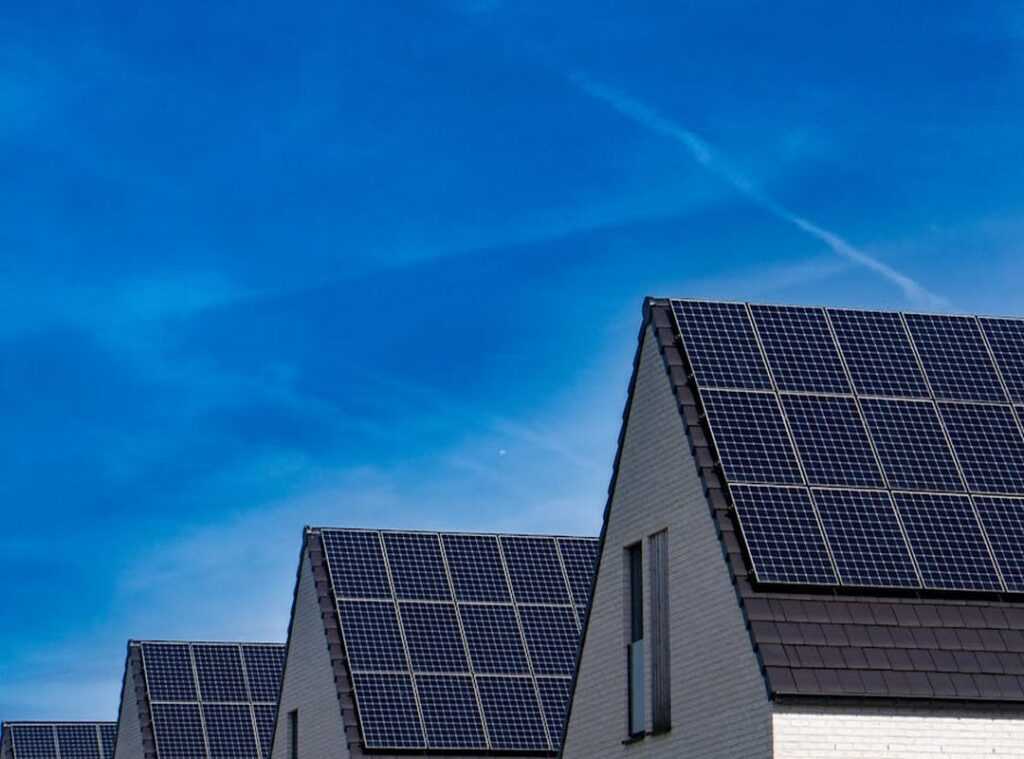
Solar panels? They’re not just for rooftops in California. Mine pay for themselves in 7 years.
Solar water heaters work even on cloudy days (I checked).
LED bulbs cost more up front. They last 25 times longer than incandescents. And they use 90% less energy.
Low-flow showerheads cut water use by half. No, you won’t feel like you’re rinsing under a leaky faucet. I tested three brands before picking one that actually works.
Rainwater harvesting sounds fancy. It’s just a barrel hooked to your downspout. I use mine for my tomato plants.
And skip the hose entirely.
Smart thermostats learn your schedule. Mine turns down heat when I’m at work. No more forgetting to adjust it manually.
All this adds up to real savings. Not projections. Not estimates.
Actual cash back every month.
This is what Sustainable Home Building Appchousehold looks like in practice. It’s not about perfection. It’s about choices that stick.
You don’t need to overhaul everything at once. Start with one thing. Then another.
Are Building Checks Important Appchousehold? Yes. Because skipping them means paying more later.
Your Home Can Change Everything
I built mine. You can too.
It’s not about perfection. It’s about starting where you are.
You want lower bills. You want cleaner air inside your home. You want to stop feeling guilty every time the thermostat clicks on.
That’s why Sustainable Home Building Appchousehold exists. Not as a buzzword. Not as a luxury add-on.
As your first real tool.
I ignored it for years. Thought it was too expensive. Too complicated.
Turns out? The biggest cost was waiting.
You don’t need to pick every material today. Just open the app. Tap once.
See what fits your budget, your climate, your timeline.
No gatekeeping. No jargon. Just clear next steps.
You’re tired of choosing between comfort and conscience. This ends that trade-off.
So stop researching “someday.” Start building now.
Open Sustainable Home Building Appchousehold. Pick one thing. Insulation, windows, solar.
And get three local options in under two minutes.
That’s it. That’s your first real step.
Go.