
You’re looking for a thermometer lagnat picture because you need a clear visual reference. We all know a fever means a high temperature, but seeing the actual number on different devices can be confusing. This article is here to provide a clear visual guide to fever readings on various common thermometers.
By the end, you’ll be able to confidently identify a fever reading and understand what the numbers mean. It’s important for peace of mind and knowing when to take action for yourself or a loved one.
Decoding the Numbers: What Temperature is Officially a Fever?
Let’s get one thing straight: a fever isn’t just feeling a bit warm. It’s a specific body temperature. Generally, a fever is considered to be 100.4°F (38°C) or higher.
Thermometer lagnat picture
For adults, here’s a simple breakdown of fever levels:
– Low-grade: 100.4°F – 102.2°F
– Moderate: 102.2°F – 104°F
– High: Above 104°F
Children and infants are different. Their thresholds for concern are lower. For them, a low-grade fever starts at 100.4°F, but anything above 102.2°F should be taken seriously.
Always consult a pediatrician if you’re unsure.
The so-called ‘normal’ 98.6°F (37°C) is just an average. Body temperature can fluctuate throughout the day. It’s not a one-size-fits-all number.
How you take the temperature matters too. Oral, rectal, and forehead readings can vary slightly. Rectal is often the most accurate, especially for infants.
But don’t overthink it. Just use what’s available and practical.
Remember, a fever is your body’s way of fighting off something. It’s not always a bad thing. But if it’s high or persistent, it’s time to see a doctor.
A Visual Guide to Fever Readings on Common Thermometers
When it comes to taking your temperature, different types of thermometers offer various features and ease of use. Here’s a quick guide to help you understand what to look for in each type.
Digital Stick Thermometer:

A standard digital thermometer will display a reading like 101.5°F. The number usually flashes and may be accompanied by a beep, indicating the reading is complete.
Forehead (Temporal Artery) Thermometer:

These thermometers often have a color-coded screen. If the reading is high, the screen might turn red, signaling a fever.
Ear (Tympanic) Thermometer:

An in-ear thermometer’s digital display shows a fever temperature. Proper placement in the ear canal is crucial for an accurate reading.
Smart Thermometers:

Smart thermometers connect to a phone app, displaying a fever reading along with tracking history. This modern approach makes monitoring and managing fevers more convenient.
Glass (Mercury-Free) Thermometer:

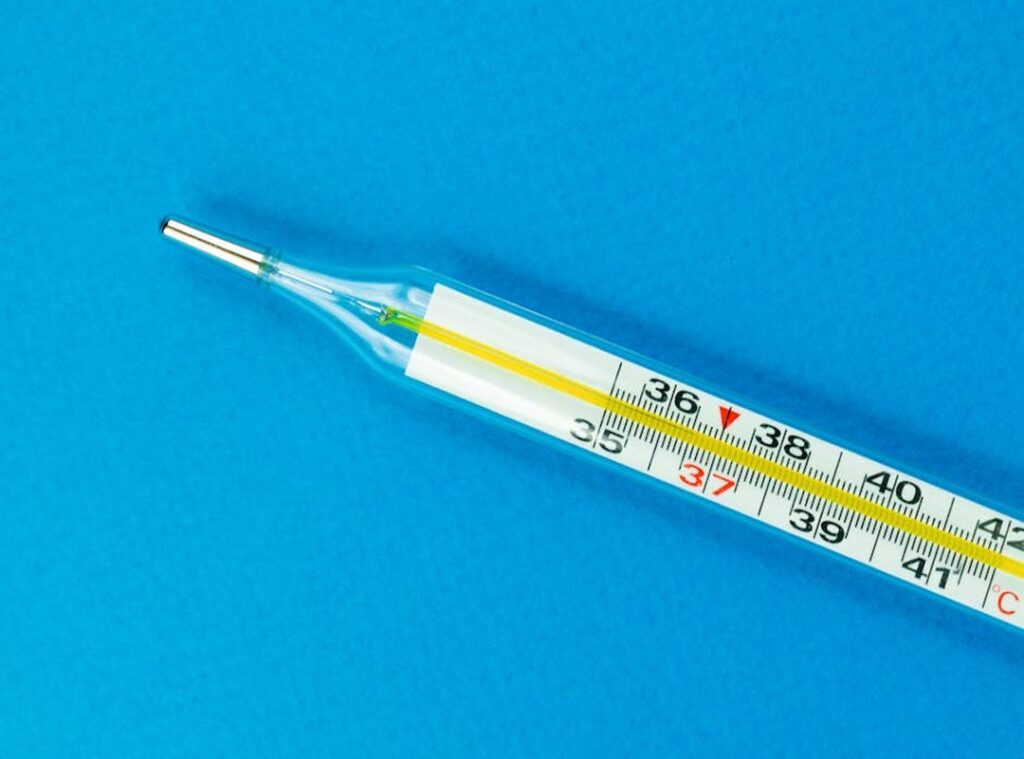
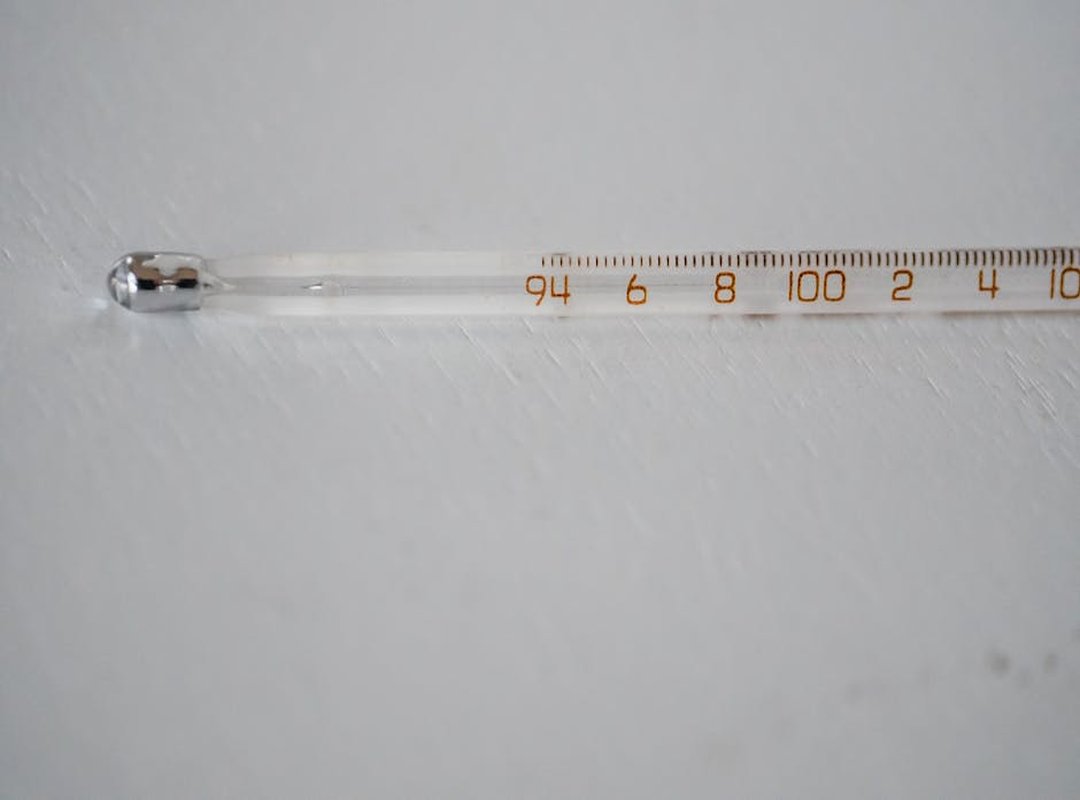
A traditional glass thermometer with a liquid line clearly past the 100°F / 38°C mark indicates a fever. To read this analog device, simply note where the liquid stops on the scale.
| Thermometer Type | Key Features | How to Read |
|---|---|---|
| Digital Stick | Flashing number, beep | Wait for the beep, read the displayed number |
| Forehead | Color-coded screen | Red indicates a fever |
| Ear | Digital display | Proper placement in the ear canal |
| Smart | Connects to phone app | Read the app display, track history |
| Glass | Liquid line | Note where the liquid stops on the scale |
For more detailed information and tips, check out Harmonyrichestate.
Common Mistakes That Lead to an Inaccurate Temperature Reading
Taking a temperature right after eating, drinking a hot or cold beverage, or exercising can give you a false reading. Wait 15-20 minutes before taking your temperature.
Correct placement is crucial. For oral thermometers, place it deep under the tongue. For ear thermometers, angle it correctly in the ear canal.
Forehead thermometers need a full swipe across the forehead.
Using the wrong thermometer for the situation is another common mistake. Don’t try to take an oral reading on a crying toddler or someone who’s congested. It won’t work.
A low battery in digital thermometers can cause erratic or incorrect readings. Check the battery regularly to ensure it’s working properly.
Clean the thermometer. Before and after each use, clean it to remove any residue that might interfere with the sensor’s accuracy.
thermometer lagnat picture
Pro tip: Keep a routine. Clean and check your thermometer before and after each use to avoid any issues.
When a Fever Reading Means It’s Time to Call a Doctor
A fever can be a sign that the body is fighting an infection. For infants under 3 months, any fever of 100.4°F (38°C) or higher warrants an immediate call to a doctor.
For adults and older children, certain symptoms should raise concern. These include difficulty breathing, severe headache, confusion, a rash, or a fever that lasts more than three days.
thermometer lagnat picture
It’s important to remember that a thermometer is a tool for information, not a diagnostic device on its own. Always consult with a healthcare provider for a proper diagnosis and treatment plan. This guide is for informational purposes and should not replace professional medical advice from a qualified healthcare provider.