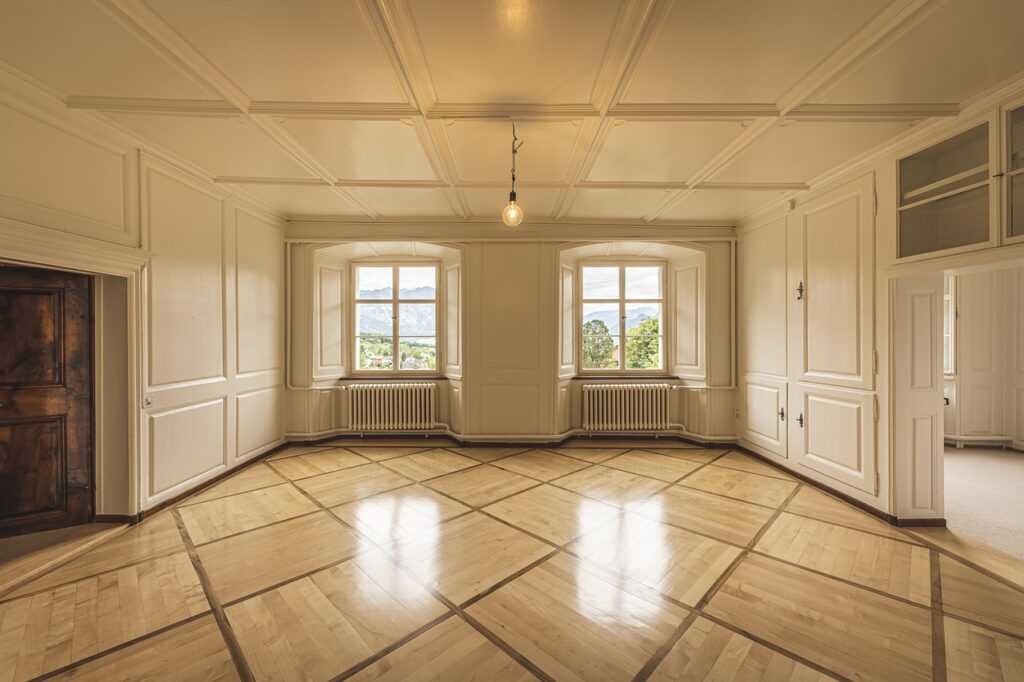

You’re standing in your half-demolished living room.
A contractor texts you about a structural conflict. Your interior designer just sent three new color palettes (none) matching the floor plan you approved last week. And your budget spreadsheet?
It’s bleeding red.
I’ve seen this exact scene fifty times this year.
Most firms hand off architecture to one person and interiors to another.
Then wonder why things fall apart at the drywall stage.
That’s not how space actually gets built.
Architecture Plans Kdainteriorment means one team owns the whole thing. From ceiling heights to cabinet pulls. No handoffs.
No blame games. No “that’s not our scope” excuses.
I don’t do mood boards that sit on a hard drive. I don’t draw floor plans that ignore light switches or HVAC ducts. I build environments people actually live in (not) Pinterest fantasies.
Readers like you are searching for real integration. Not pretty websites. Not vague promises.
They want to know: Can this team actually deliver what they say?
Yes. And here’s exactly how.
Kdainteriorment Doesn’t Hand Off (It) Holds On
I’ve watched architects hand blueprints to interior designers like passing a baton in a race nobody agreed to run.
Then the decorator shows up after permits are approved. Structural limits? Already baked in.
MEP rough-ins? Locked. Lighting layouts?
Guess what. They’re fighting ceiling joists and ductwork they never saw coming.
That’s not design. That’s triage.
Kdainteriorment does it differently. From day one, the same team handles site analysis, structural feasibility, spatial flow, lighting coordination, and finish selection (all) at once.
No silos. No “we’ll figure that out later.” No surprise value-engineering meetings where someone says, “Actually, this beam can’t move.”
I saw it fix a $18k mistake on a Brooklyn brownstone renovation. Early MEP coordination flagged a duct path conflict before framing started. Not three weeks into drywall.
Not after change orders piled up. Before any wall went up.
That’s the edge: Architecture Plans Kdainteriorment aren’t handed off (they’re) lived in.
We include FF&E specs. Code-compliant layouts. Construction documentation you can actually build from.
We don’t do general contracting. Don’t show up with hammers. Don’t manage subs or schedules.
You want smooth execution? You need one brain behind the whole thing.
Not two firms emailing each other about who forgot the stair railing detail.
What’s worse. Paying for rework or paying for continuity?
You already know the answer.
The 4-Phase Process: Not Just Drawings, But Dialogue
I don’t hand out stamped plans and disappear.
Phase 1 is Discovery & Spatial Audit. I measure your space with a tape, not a guess. I map how you move through it (where) you spill coffee, where the dog naps, where light dies by 3 p.m.
(Spoiler: style questionnaires don’t catch that.)
Phase 2 is Integrated Schematic Design. Floor plan, massing model, and interior zones all evolve together. Not in sequence.
And yes. Real-time cost feedback kicks in early. So you know if that vaulted ceiling blows your budget before we commit to drywall.
Phase 3 is Technical Development. Architectural drawings and interior schedules aren’t parallel tracks. They’re locked together.
Wall finish specs tie directly to framing notes. Ceiling heights sync with HVAC duct runs. Miss that link?
You’ll get a beautiful drawing and a contractor’s glare.
Phase 4 is Execution Support. Not handoff. Weekly walkthroughs.
Vendor coordination logs. Punch-list resolution on-site. Not via email chain.
Every phase has built-in review checkpoints. Not passive approvals. Real conversations.
You ask questions. I answer them (with) markups, not jargon.
This isn’t about delivering Architecture Plans Kdainteriorment. It’s about building something that actually works for you.
You’ve seen those “as-built” photos where the lighting fixture hangs two inches too low?
That happens when phases run on autopilot.
You can read more about this in Building advice kdainteriorment.
I don’t do autopilot.
You want control. Not just pretty renderings.
So ask yourself: what’s worse. Revising a sketch now, or tearing out drywall later?
Real Projects, Real Constraints

I don’t pretend every lot is perfect. Most aren’t.
Tight urban lots? Yeah. We work with them.
Angled glazing lets light in without exposing your bedroom to the sidewalk. Layered thresholds create privacy before someone even reaches the door. Vertical zoning stacks function: sleeping up, living down, storage tucked under stairs.
It’s not magic. It’s geometry and respect for what the site gives you.
Historic buildings? I’ve watched contractors rip out original plaster just to run a thermostat wire. Wrong move.
We embed radiant floor heating into thin-set mortar over existing subfloors. No jackhammering. No compliance waivers.
Just quiet heat (and) documentation that satisfies the preservation board (every time).
Multi-generational living isn’t about adding a basement apartment. It’s about designing a guest suite that can go fully independent: separate HVAC trunk, plumbing rough-ins behind the wall, electrical panel space reserved. You don’t need it now.
But you’ll thank yourself later.
Budget tension? We tier it. Non-negotiable structural elements stay fixed. Everything else gets line-item flexibility.
Quartz now or laminate now with quartz-ready substrate? Your call. Same framing, same insulation (different) finish timeline.
One client told me: “That weird 18-inch gap between the old brick and new addition? We turned it into a rain garden. And now it’s the first thing people ask about.”
Need help balancing real-world limits with real-world outcomes? Our Building Advice Kdainteriorment page breaks down how we make those calls (no) fluff, no jargon.
Architecture Plans Kdainteriorment isn’t a brochure. It’s a working document. And it starts with honesty about what’s possible.
What You Actually Get (Not) Just Promises
I start every project with three things in hand by day ten. Site assessment report. Preliminary spatial diagram.
Scope-of-work agreement (with) fixed-phase pricing.
No surprises. No bait-and-switch.
You get biweekly syncs. Not email ping-pong. Not Slack chaos.
You’ll never open “Finalv3FINAL_reallyfinal.pdf” again. (Yes, that file exists. I’ve seen it.)
Real talk, real time, every other Tuesday. We use a shared cloud folder. Files are version-controlled.
One point of contact. Not five people giving five opinions. One person signs off on every design decision.
Revisions? Two rounds per phase. That’s it.
Ask for a third? You’ll need to explain why. And how it ties to the original goals.
Otherwise, timelines slip. And timelines do matter.
Full residential renovation? 12 (16) weeks. New-build interiors only? 8. 10 weeks.
Sustainability isn’t an add-on. It’s built in. Energy modeling.
Low-VOC tracking. Local material sourcing. All standard.
Not optional. Not extra.
If you’re still wondering what architecture really means here, read What Architecture Is All About Kdainteriorment. That’s where the real work begins. Not in the renderings.
In the plan. Architecture Plans Kdainteriorment aren’t decoration. They’re instructions. Follow them (or) pay for the fix later.
Clarity Starts Before the First Line
I’ve seen too many projects stall in confusion. Wasted time. Misaligned expectations.
Design fragmentation that bleeds into budgets.
You don’t need more options. You need one clear thread (from) structure to surface.
That’s why Architecture Plans Kdainteriorment works. No handoffs. No assumptions.
Just one team owning the whole flow.
You’re already asking: What if we’d fixed this before demolition?
What if we hadn’t lost three weeks to revision loops?
Yeah. That’s the pain.
Let’s fix it. Before permits. Before doubt.
Schedule a no-pressure 45-minute discovery call. We’ll map your top 3 spatial priorities. Then deliver a tailored phase roadmap.
The earlier design cohesion begins, the more budget and time you preserve.
Your move.