
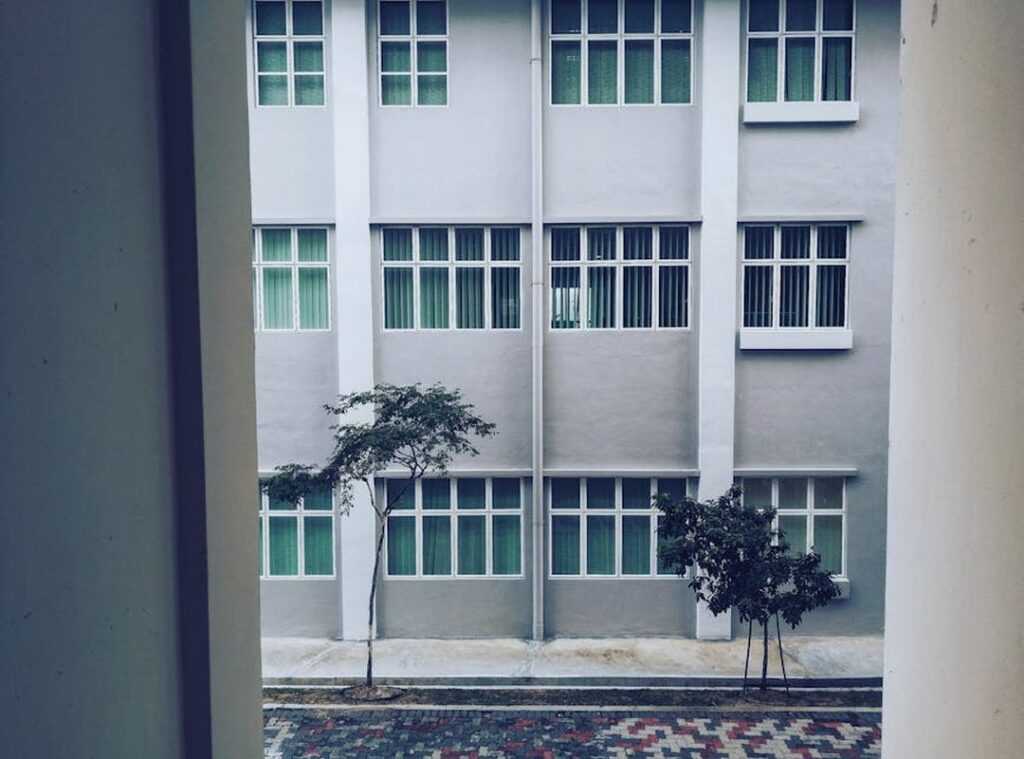
You’ve walked into a room that just felt right.
But you couldn’t say why.
That’s not luck. It’s not magic. It’s architecture and interior design speaking the same language.
Slowly, from day one.
Most people treat them like separate jobs. One person draws the walls. Another picks the couch.
And somehow we wonder why the space feels off.
It doesn’t have to be that way.
I’ve watched too many projects fail because form and function were pitted against each other instead of planned together.
This isn’t theory. I’ve seen it work (and) break. On real sites, with real budgets, real deadlines.
What to Learn About Architecture Kdainteriorment starts here: with the truth that structure and space are two sides of the same decision.
You’ll get clear, direct insight. No jargon, no fluff.
Just how they actually fit together.
Architecture Is the Bones (Not) the Decor
I used to think architecture was just about walls and roofs. Turns out it’s the skeleton. The thing that holds everything else up (or) down.
What you feel when you walk into a room? That’s not the couch. It’s the ceiling height.
The window placement. The way the hallway bends before it opens into the kitchen.
Light and shadow start with architecture. Not curtains. Not bulbs.
A 12-foot window on the east wall floods the floor at dawn. Warm, sharp, energizing. A single high clerestory window throws long, slow shadows across white plaster all afternoon.
You don’t choose that mood. The architect did. When they drew the plan.
Flow and circulation? That’s where people trip (sometimes literally). Open-plan layouts let sound and movement spill everywhere.
Great for parties. Terrible for focus. Traditional layouts with doors and hallways create pauses.
Boundaries. Quiet corners. You notice the difference the second you try to find your keys in a house where every room bleeds into the next.
Volume and scale hit you before you even register furniture. A 9-foot ceiling feels normal. An 11-foot one feels like breathing deeper.
A 7-foot ceiling makes you hunch. Even if you’re standing still. (Yes, really.)
This is why What to Learn About Architecture Kdainteriorment matters so much. It’s not about picking paint swatches first. It’s about knowing how the bones shape the body.
Kdainteriorment digs into exactly this. How spatial decisions land in real life, not textbooks.
I’ve watched clients fall in love with a space before they knew the name of a single material. Because the architecture whispered first. And everything else just answered.
Interior Design: Where Bones Get a Soul
Architecture gives you walls and windows.
Interior design gives you a place to breathe.
I’ve walked into spaces with perfect lines and zero warmth. They feel like museums. Or waiting rooms.
You don’t live there. You just pass through.
That’s why I say: if architecture is the bones, interior design is the soul. Not the decor. Not the Instagram shots.
The soul.
Human scale matters more than symmetry. A sofa placed three inches too far from a coffee table kills conversation. I’ve seen it ruin dinner parties.
(Yes, really.)
It’s whether you stub your toe on that “statement” side table every morning.
Ergonomics isn’t about charts. It’s about your back after eight hours at a desk. It’s about whether your kid can reach the sink.
Materials do heavy lifting. A rough-hewn wood beam softens concrete. Cold marble next to linen?
That contrast works. But slap glossy tile everywhere and call it modern? Nah.
Color doesn’t just fill space. It bends light. North-facing rooms need warmer tones (or) they feel like basements.
South light can handle deep blues. Try that in a dim hallway? You’ll get a cave.
What to Learn About Architecture Kdainteriorment starts here: how people move, touch, and feel inside a frame.
Not what looks good in renderings.
Pro tip: Stand in an empty room at 4 p.m. Watch where shadows fall. Then pick your rug color.
You’re not styling a magazine spread. You’re building a life. The bones hold you up.
The soul lets you stay.
The Window Talks to the Sofa
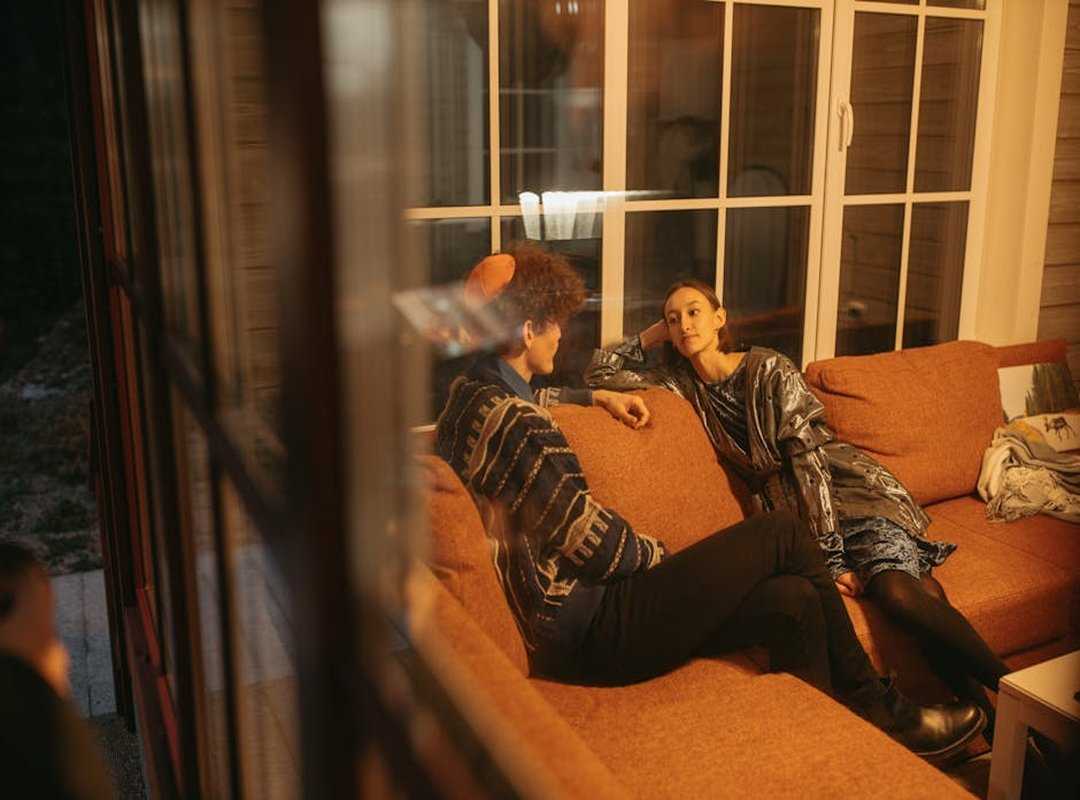
Architecture and interior design don’t take turns. They argue. They compromise.
They finish each other’s sentences.
I’ve watched architects draw a perfect window for sunset light. Then seen interior designers move the sofa three feet left so no one squints at 5 p.m. (and yes, that matters more than you think).
That’s not coordination. That’s dialogue.
I wrote more about this in this article.
The outlet and the lamp? Same thing. A designer sketches a reading nook with a floor lamp and a side table.
Then the architect puts the outlet behind the table. Not beside it (so) the cord doesn’t snake across the rug. You can’t fix that after drywall goes up.
Material echo is where it gets real. I used reclaimed cedar on a home’s exterior cladding. Then we ran the same wood.
Same grain, same finish. Up a kitchen island wall. No transition.
No explanation needed. Just continuity.
It feels intentional because it is intentional.
Take kitchens. The interior “work triangle” (sink-fridge-stove) isn’t just about convenience. It dictates where walls go.
Where plumbing lines run. Where structural supports can’t block cabinet depth. If the architect locks in wall locations before the triangle is set, the interior designer inherits a mess.
You’ll spend months hiding pipes or cutting corners (or) worse, living with a layout that fights you every time you cook.
This is why What to Learn About Architecture Kdainteriorment starts with listening. Not drafting.
What Makes Architecture Unique Kdainteriorment lays out exactly how those conversations break down (and) how to keep them alive.
Most projects fail not from bad ideas. But from silence between disciplines.
I’ve walked into too many homes where the window view is perfect… and the only place to sit ruins it.
Don’t let that be yours.
Talk early. Talk often. Argue over coffee.
When Design and Architecture Stop Talking
I’ve walked into too many spaces that look great on paper but feel wrong in person.
The “Floating” Room is one of them. Open concept, clean lines, zero visual anchors. You stand there wondering where the sofa should go (spoiler: nowhere feels right).
Then there’s the “Wasted Feature.” A gorgeous curved wall (architectural) gold (until) you try to fit a bookshelf against it. Or a bed. Or anything useful.
It just sits there, smirking.
That disconnect kills function. Fast.
You don’t need fancy terms to spot it. You feel it.
What to Learn About Architecture Kdainteriorment? Start here: how design decisions land in real life, not just renderings.
Most firms treat structure and interior as separate jobs. They’re not. They’re one conversation.
Or they should be.
Kdainteriorment architecture design by architects gets this right. They build the wall and plan what lives beside it.
Skip that step? You’ll pay for it later.
Your Space Should Feel Like One Thing
I’ve seen too many rooms that look sharp but leave people cold.
You want to know What to Learn About Architecture Kdainteriorment. Not as two separate things, but as one decision.
That disjointed feeling? It’s not your imagination. It’s what happens when walls go up before you decide how light should fall, or furniture gets picked before the ceiling height is locked in.
The fix isn’t more style. It’s earlier alignment.
Start with how the space should feel. Calm? energized? grounded? (and) what it must do (host) dinners? support focus? hold chaos?
Let those answers steer both the structure and the surfaces.
No more choosing paint after the beams are poured. No more squeezing a sofa into a room that was never meant to hold it.
This isn’t theory. It’s how the best spaces get built.
Your next project starts with one question: What feeling am I building first?
Answer that (before) you draw a line (and) everything else falls into place.
Do it now.