
What Buyers Expect in Today’s Market
Modern buyers walk into a home already checking boxes. They want smart layouts, functional updates, and finishes that feel current but not flashy. Think open kitchen living spaces, energy efficient appliances, and enough outlets to charge a dozen devices. Clean lines, neutral tones, decent lighting. No one’s expecting luxury in every room, but people notice when the basics are dialed in.
On the flip side, outdated features can quietly kill your home’s momentum. Popcorn ceilings. Wall to wall carpet in strange places. Honey oak cabinets from another century. These elements tell buyers one thing: more work, more money. Same with bad layouts tiny galley kitchens, awkward half baths, or a lack of real storage. Function beats charm when the charm requires demo.
At the heart of this is buyer psychology. People want to feel something when they tour a space but it has to be paired with logic. Pretty sells, but only if it works. A great backsplash won’t matter if the layout feels cramped or the water heater is on its last leg. Sellers who understand both the look and the logic behind modern expectations are the ones who move properties quickly, and at value.
When a Repair Is All You Need
Before you gut the kitchen or tear out tile, get real about what actually needs fixing. Structural issues are deal breakers for buyers and inspection red flags that can kill a sale fast. We’re talking foundation cracks, active roof leaks, old or failing plumbing. If these show up, address them first. Not only does it protect your value, it keeps deals from falling apart late in the process.
The good news? Many of these repairs cost less than full blown renovations and offer solid ROI. A patched roof keeps water out and buyer concerns down. A plumbing upgrade in one key bathroom can show buyers you’ve done the hard stuff. Keep it practical, not flashy it’s about showing the home is safe and sound.
Prioritize by risk. Start with anything affecting safety, followed by what could turn into a much bigger problem (like small leaks or early mold signs). Cosmetic fixes come later. Keep a list, fix smart, and use your pre listing inspection as a roadmap.
Want a clearer picture on where to start? Check out the full guide here: Renovation vs Repair Where to Spend for Maximum ROI
Where Renovations Pay Off

The best upgrades are the ones buyers notice right away and that appraisers count when they tally value. Kitchens and bathrooms still lead the pack. Swap dated countertops for quartz, switch out hardware, throw in a new backsplash or light fixture, and both spaces suddenly feel refreshed. If the layout works, there’s no need to gut anything.
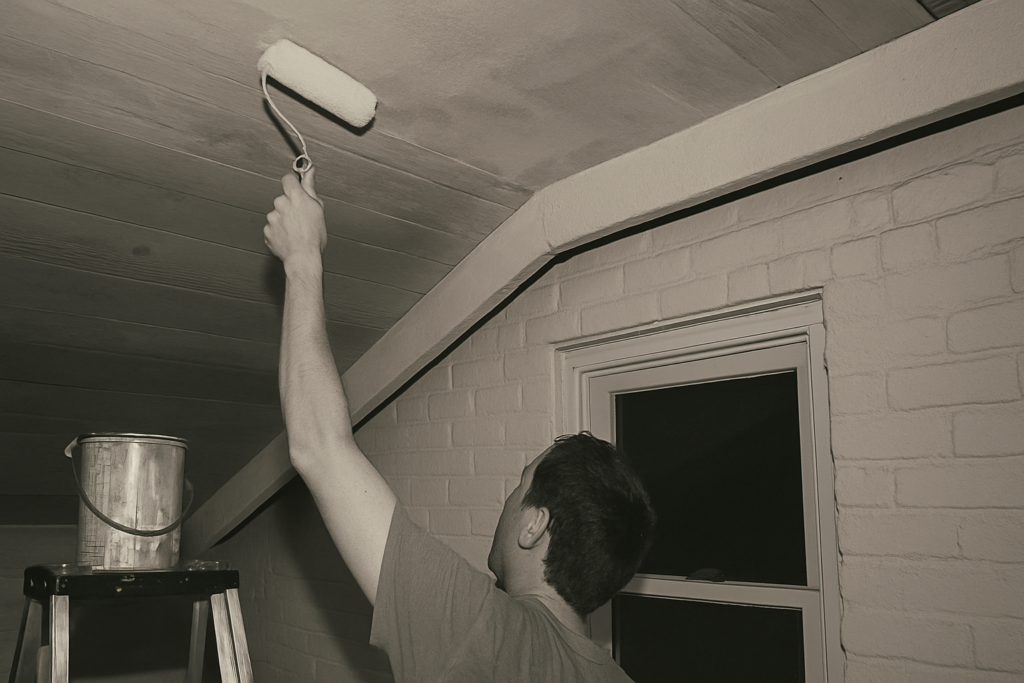
Curb appeal matters as much as what’s inside. A fresh coat of paint, a modern front door, cleaned up landscaping, and updated house numbers will change first impressions fast and help listings pop online. These aren’t vanity upgrades; they create emotional buy in immediately and often drive up perceived value before buyers even step inside.
And good news: none of this has to cost a fortune. With smart choices, you can keep renovations under $10,000 and still see serious ROI. Consider reglazing a tub instead of replacing it, or painting cabinets instead of ordering new ones. The goal is transformation, not demolition.
For a deeper breakdown on where to dial in your dollars, check out Renovation vs Repair Where to Spend for Maximum ROI.
Smart Strategy for Budgeting and Planning
Before you touch a tool or sign a contractor, get honest about what your home really needs. Not everything broken needs replacing, and not everything old needs modernizing. Start by walking your space like a buyer. What stands out for better or worse? Make a short list of the things that scream dated, damaged, or neglected. These are your priorities.
Next comes timing. Real estate is as seasonal as fashion. Spring and early summer typically bring the most motivated buyers and the best chance for competition driven offers. That said, if your market defies the calendar like warmer climates or booming metros study local trends. Listing at the right moment can make even modest upgrades look golden.
Lastly, get a second set of eyes. Even better professional ones. A pre listing inspection isn’t just for peace of mind; it tells you what might kill a deal later. And a good local real estate agent? They’ll know what buyers in your zip code fixate on. That outside perspective can stop you from blowing your budget on the wrong upgrades.
Plan with purpose. Spending smart beats spending big every time.
Mistakes Most Sellers Make
The biggest blunder? Trusting outdated comps. The market isn’t what it was six months ago let alone a year. If you’re pricing your home based on those old numbers, expect hard lessons. Real estate shifts fast. Use stale data, and you’ll either overprice and sit stale, or underprice and leave money on the table.
Then there’s the trap of over designing. Gutting a kitchen to the studs or dropping $20K on marble and gold fixtures may look sharp on Pinterest, but it rarely matches what buyers are willing to pay especially if you outpace the neighborhood. Trends are fleeting. Function and good layout usually win over flash.
And let’s talk about skipping repairs. Some sellers patch over issues with trendy upgrades: new backsplash, new lighting but the roof still leaks. Buyers notice. Inspectors flag it. Trying to hide real problems behind stylish add ons usually leads to renegotiations or worse, lost offers. Don’t confuse marketing with maintenance. Fix what’s broken first, or you’ll pay for it later one way or another.
Keep ROI Front and Center
Every dollar you put into your house should have a job and ideally, it should bring back friends. The 70/30 rule keeps your renovation spending in check: don’t invest more than 70% of what you expect to get back in added value. In plain terms, if your kitchen reno is going to cost $30K, it better return at least $43K in resale value. Otherwise, you’re just spending, not investing.
Avoid the trap of over improving. Just because you can add marble flooring and a smart fridge doesn’t mean it makes sense. Look at nearby comparables. If the top sale in your area doesn’t have those upgrades, buyers won’t pay more for yours either. Stick to what sells locally, not what wows on home improvement shows.
Finally, think like an investor. Make budget decisions that stretch every dollar. A $1K front door may boost your curb appeal more than a $5K light fixture inside. ROI isn’t about flash it’s about function, market demand, and making your equity work overtime.