

You’ve walked into a room that just feels right.
Before you notice the couch. Before you register the color on the walls. Before you even know why.
That’s not decoration. That’s Architecture Kdainteriorment.
And if you think it’s the same as interior design (or) worse, just picking paint and pillows. You’re missing the whole point.
I’ve watched too many clients sign off on beautiful renderings only to find the space doesn’t work. Doors swing into traffic paths. Light dies in the wrong spots.
Ceilings sag where they shouldn’t.
It’s not about taste. It’s about structure meeting human behavior.
This article cuts through the confusion. No jargon. No fluff.
Just a clear line between what’s architectural. And what’s just furniture.
You’ll walk away knowing exactly how interior architecture shapes function before form.
And why nothing else matters until this part is right.
Interior Architecture: Bones, Not Bling
Interior architecture is what happens before the couch arrives.
It’s the art and science of reshaping interior space. Moving walls, cutting openings, rerouting ducts, and wiring light where people actually need it.
Not decorating. Not styling. Not picking throw pillows.
I’ve watched clients confuse it with interior design for years. (They’re not the same. Don’t let anyone tell you they are.)
If a building is the body, interior architecture is the skeleton and circulatory system. Interior design? That’s the skin and clothing.
You feel interior architecture in your shoulders when a hallway narrows too fast. You notice it when ceiling height drops without warning and your head instinctively dips. It’s the difference between walking into a room and entering it.
Spatial planning is non-negotiable. Flow matters more than finishes.
I once fixed a restaurant layout where servers had to cross paths six times per minute. The owner blamed “bad luck.” Nope. Bad interior architecture.
Altering structure isn’t optional (it’s) routine. Knock down a load-bearing wall? You better know how to transfer that weight.
Add a skylight? You’ll need flashing, framing, insulation, and code sign-off.
HVAC, lighting, plumbing. All get baked in early. Not tacked on later like afterthoughts.
Safety isn’t a box to check. It’s embedded in every stair riser height, every egress path, every fire-rated partition.
This work shapes how people move, breathe, focus, and stay safe (long) before a single rug hits the floor.
That’s why Kdainteriorment starts here. Not with mood boards. With measurements, loads, and human behavior.
Architecture Kdainteriorment isn’t a buzzword. It’s a boundary line.
You can’t fake this part.
Get it wrong and no amount of paint or plants fixes the problem.
I’ve seen it.
You’ll feel it too. The second you step into a space that fights you instead of holding you.
Interior Architecture vs. Interior Design: Not the Same Thing
I get asked this constantly. And no. They’re not interchangeable.
Interior architecture is about the bones. The walls you can’t move. The ceiling height you’re stuck with.
The load-bearing columns that dictate where everything else goes.
Interior design is about what you hang on those walls. What you put in that space. The couch.
The rug. The lamp that makes your living room feel like home instead of a showroom.
One shapes the shell. The other fills it.
Interior architects draft technical drawings. They specify flooring systems, wall assemblies, fire-rated materials. They work with engineers.
They file permits. If you’re knocking down a wall or moving plumbing, you need them.
Interior designers pick paint colors. They source furniture. They style shelves.
They know how light hits a velvet sofa at 4 p.m. They care whether your throw pillows clash or whisper.
You don’t hire one to do the other’s job. (Unless you’re in trouble.)
They collaborate. Often closely. But they’re trained differently.
Licensed differently. Insured differently.
Here’s how it breaks down:
| Feature | Interior Architecture | Interior Design |
|---|---|---|
| Focus | Structural integrity, spatial flow, code compliance | Aesthetics, function, human experience |
| Output | Construction documents, material specs, permit packages | Mood boards, FF&E schedules, styling plans |
| When you need them | Renovating a historic building, adding a second story, reconfiguring egress | Refreshing a rental, staging a home for sale, furnishing a new apartment |
I’ve seen projects fail because someone hired a designer to move a structural wall. (Spoiler: they couldn’t.)
Or worse. An architect handed over blueprints and walked away, leaving zero guidance on lighting layers or acoustic comfort.
That’s where Architecture Kdainteriorment gets messy. Don’t let jargon confuse you.
If your question is “Can I remove this wall?” (call) an interior architect.
If your question is “Does this rug go with the sofa?”. Call a designer.
What Makes Interior Architecture Actually Work
Good interior architecture fills a room.
Great interior architecture changes how you move, breathe, and feel inside it.
I’ve walked through hundreds of spaces built to code (and) dead on arrival. They look fine in renderings. They fail in real life.
Human-centric planning isn’t about putting chairs where people might sit. It’s watching where they actually pause, turn, hesitate, or linger (and) designing around that. You don’t plan for ideal users.
You plan for tired parents, distracted teens, aging grandparents. That’s the difference between a floor plan and a lived-in space.
Light and volume? Not decoration. Ceiling height changes your posture.
Window placement controls your circadian rhythm. A single recessed light over a kitchen island does less than three well-placed pendants at different heights. You feel this before you name it.
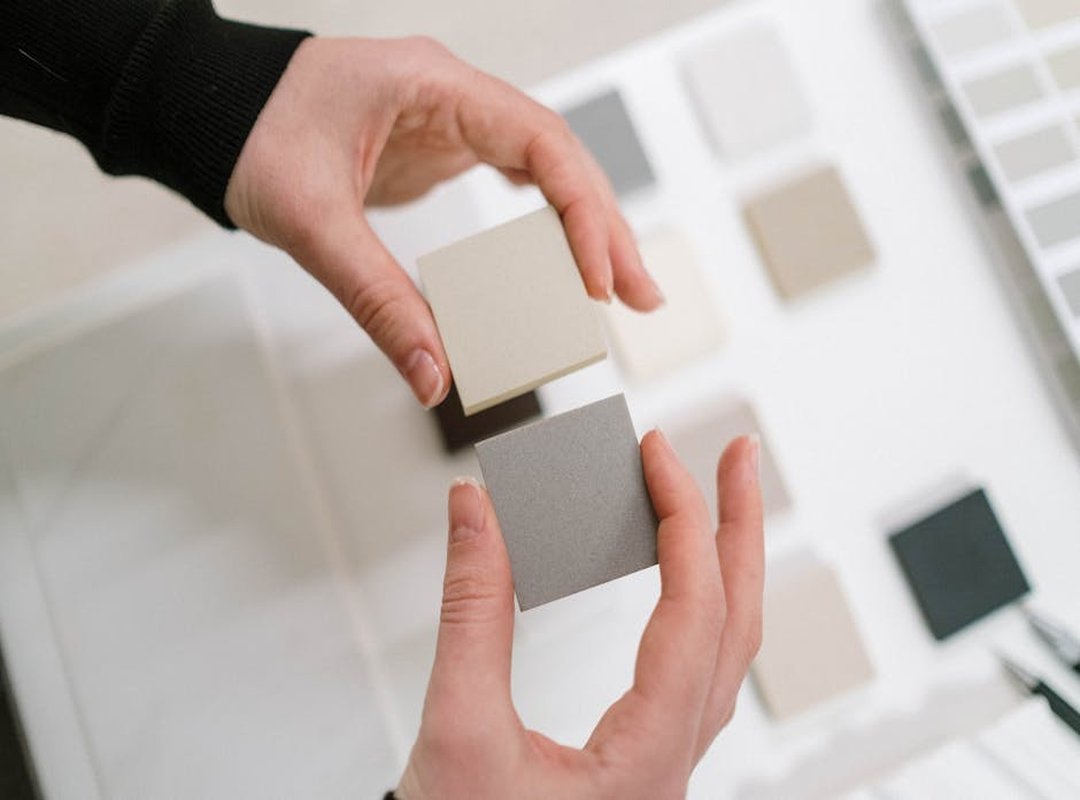
Materiality and tectonics is where most designers bail early. They pick tile because it’s pretty (not) because it absorbs sound in a home office or resists scuffs near a dog’s water bowl. Tectonics means knowing how that tile connects to the wall, how it meets the floor, whether it hides or reveals the structure beneath. If you can’t see how something holds together, it probably doesn’t.
Thresholds matter more than rooms. An entryway isn’t just a door and a coat hook. It’s the first breath of transition.
Between street and sanctuary. Hallways shouldn’t be afterthoughts. They’re pauses.
Rhythms. Places where light shifts or floor texture changes. That’s how you make a 1,200-square-foot apartment feel layered.
Not cramped.
This is where Kdainteriorment lives: in the quiet decisions no one photographs. Architecture Kdainteriorment isn’t a style guide. It’s a checklist for consequence.
Pro tip: Stand in a doorway for 60 seconds. Notice what catches your eye first. That’s where your next design decision should start.
Not in a mood board. Not in a spec sheet. Right there.
When You Actually Need an Interior Architect
I’ve watched too many people tear out a wall thinking it’s just drywall. It’s not.
You need an interior architect when you’re moving or removing walls. Period. They spot load-bearing mistakes before your ceiling sags.
You need one for gut remodels. Not just new tile and paint (when) everything comes out and the floor plan shifts.
Converting a warehouse to lofts? That’s not DIY territory. Structural integrity, egress, fire ratings.
All hinge on trained eyes.
Same goes for restaurants, offices, or retail spaces built from scratch. Lighting, flow, ADA compliance. None of it works without architecture-level planning.
If your project needs building permits or touches structure, you’re not “considering” an interior architect. You’re required to hire one.
That’s why I always point people to the Building guide kdainteriorment first. It spells out exactly where Architecture Kdainteriorment kicks in. Don’t guess.
Check the guide.
Start Building Spaces with Purpose
I’ve said it before and I’ll say it again: beauty without function is just decoration. And decoration doesn’t hold up.
You don’t need more swatches or mood boards right now. You need Architecture Kdainteriorment.
What if your next space actually worked. For real people, real movement, real light?
Stop choosing paint before you understand the ceiling height.
For your next project, look past the paint colors and first consider the flow, the light, and the very bones of the room.