
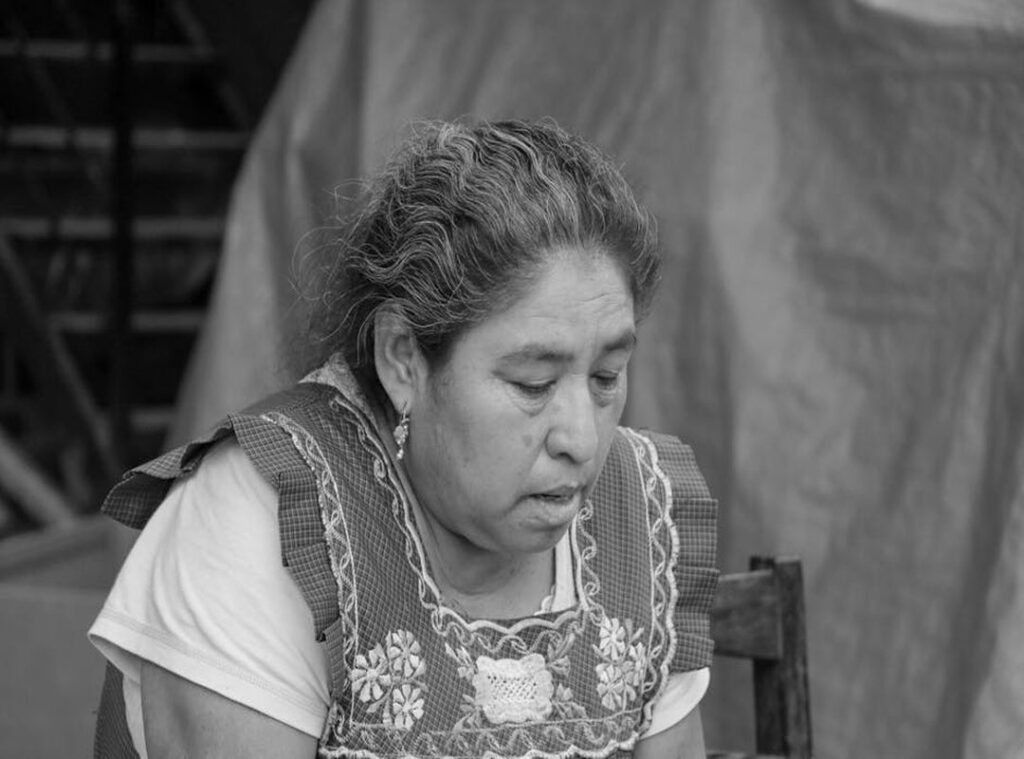
I’ve seen a lot of images of women in my time. Some are beautiful, some are powerful, and some are just plain wrong. The way women are depicted in art, media, and everyday life can say a lot about our society.
It’s not just about aesthetics, and it’s about representation. When we see the same narrow portrayals over and over, it limits our understanding of what it means to be a woman.
Poto de persona mujeres is a prime example.
This article aims to explore the diverse world of women’s imagery. We’ll look at the latest trends, the issues, and the best practices. You might be thinking, why should you trust us?
Well, we have a deep understanding of visual arts and media. We’re here to provide a comprehensive and insightful analysis.
So, let’s dive in.
The Evolution of Women’s Imagery in Art
Women have been depicted in art for centuries, but the way they’ve been portrayed has changed dramatically over time. In ancient times, women were often shown as goddesses or idealized figures, reflecting the cultural and religious values of the era.
Fast forward to the Renaissance. Here, women were typically depicted as muses, saints, or mythological figures. Artists like Leonardo da Vinci and Michelangelo set new standards for realism and beauty, but women were still largely seen through a male lens.
Impressionism brought a breath of fresh air. Artists like Mary Cassatt and Berthe Morisot began to paint women in more everyday, relatable settings. This was a significant shift, giving women a more human and less idealized presence in art.
Modernism took it even further. Movements like Cubism and Surrealism challenged traditional representations. Women were no longer just subjects; they became active participants in the artistic process.
Think of Frida Kahlo’s self-portraits, which were deeply personal and powerful.
Today, contemporary art is all about diversity and empowerment. Female artists are pushing boundaries and redefining what it means to be a woman in art. Poto de persona mujeres now includes a wide range of identities and experiences, reflecting the rich tapestry of modern society.
Understanding these changes can help you appreciate the depth and complexity of women’s imagery in art. It’s not just about seeing pretty pictures; it’s about recognizing the social and cultural shifts that have shaped our views.
Women’s Imagery in Media and Advertising
Women’s representation in media has been a hot topic for years. Television, film, and print publications often portray women in stereotypical roles. Think about it: how many times have you seen a woman cast as the damsel in distress or the overly emotional character?
Some argue that these portrayals are just a reflection of society. They say, “If people didn’t like these stereotypes, they wouldn’t be so popular.” But that’s a cop-out. Media has a powerful influence on shaping public perceptions.
It’s not just reflecting; it’s reinforcing.
Advertising plays a big role too. Ads can either perpetuate harmful stereotypes or promote more positive and realistic representations. The good news is, there’s a growing movement to change this.
Brands are starting to realize that consumers want to see real, diverse women.
Take poto de persona mujeres for example. This campaign featured women from all walks of life, showcasing their unique stories and strengths. It was a hit because it felt authentic and relatable.
People responded positively, and the brand saw a boost in engagement and sales.
Sure, some might say that these campaigns are just a marketing ploy. But the impact is real. When women see themselves represented in a positive light, it can boost self-esteem and change societal norms.
So, while there’s still a long way to go, the shift towards more positive and realistic representations is a step in the right direction.
Diversity and Inclusion in Women’s Imagery
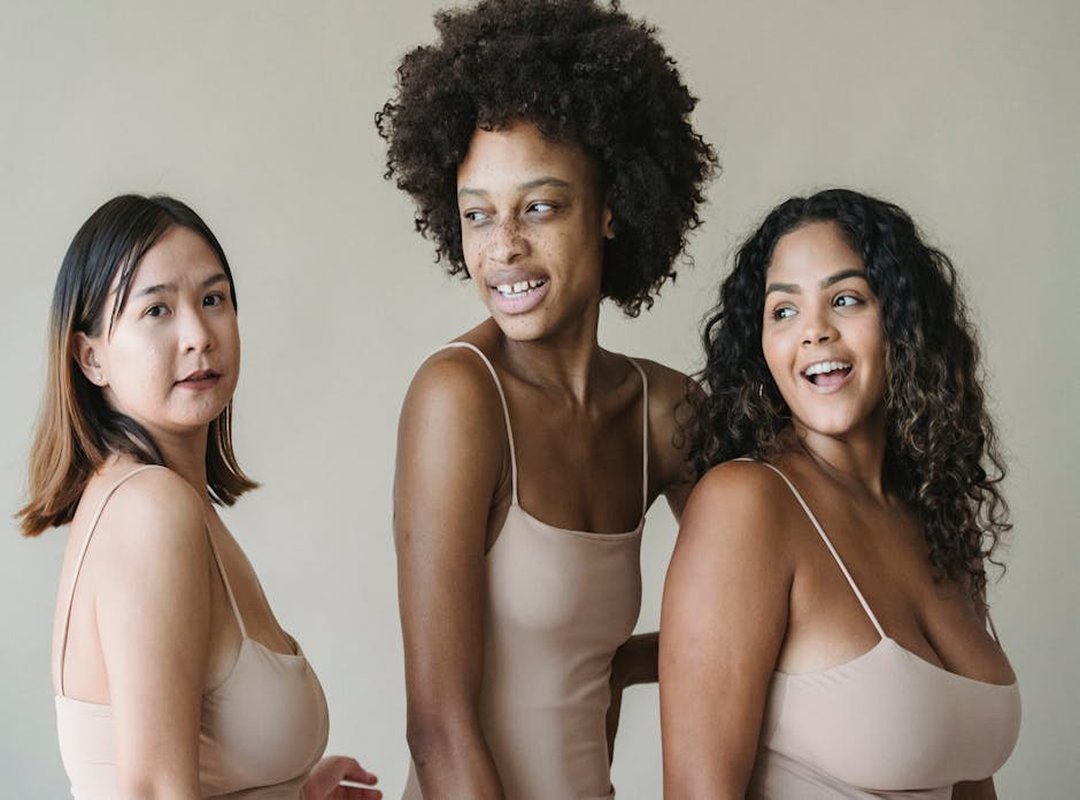
Diversity in imagery is crucial. It’s not just about doing the right thing; it’s about reflecting the real world. When we see a wide range of women in terms of age, race, body type, and background, it helps everyone feel seen and valued.
Some people argue that focusing on diversity is unnecessary. They say it’s just about the content, not who’s in the picture. But that’s short-sighted.
Representation matters. It shapes how we see ourselves and others.
Challenges and barriers are real. Systemic issues like bias and lack of access make it hard to achieve true diversity. These aren’t easy to fix, but they’re worth tackling.
We need more inclusive policies and practices across the board.
Success stories give us hope. Organizations like Getty Images and poto de persona mujeres are making significant strides. They’re pushing for more diverse and inclusive imagery.
It’s not perfect, but it’s a start.
We need to keep pushing. Every step toward more inclusive representation is a step in the right direction. And hey, if you’re into real estate, check out the top cities for rental property investments in 2024 best markets for maximum returns.
Empowerment and Positive Representation
Empowering imagery is crucial, and it celebrates women’s achievements, strengths, and individuality. Why does this matter?
Because seeing strong, successful women can change how we see ourselves.
Role models in imagery play a big part. They inspire and influence others. Think about it: when you see poto de persona mujeres who are breaking barriers, it makes you believe you can too.
So, how can you use this in your own life? Start by surrounding yourself with positive images. Put up posters of women who inspire you.
Follow social media accounts that highlight women’s achievements.
It’s not just about looking at pretty pictures. It’s about creating a visual environment that boosts your confidence and motivates you to achieve more.
Pro tip: Create a vision board. Include images of women who embody the qualities you admire. Place it somewhere you’ll see it every day.
This simple act can be a powerful reminder of what you’re capable of.
The Future of Women’s Imagery
The evolution of women’s imagery has seen significant shifts, moving from narrow and stereotypical representations to more diverse and empowering portrayals. poto de persona mujeres now reflect a broader range of identities, experiences, and strengths. This change is crucial for challenging societal norms and fostering a more inclusive culture. Continued efforts are essential to ensure that all forms of imagery represent women in a way that is both positive and realistic.
By supporting and advocating for these representations, we can contribute to a more equitable and just society.