

You walk into a room, and it feels… off. The furniture’s in place, the colors match, but something’s missing. It’s like the space is just a shell, not a home.
That’s where wall art comes in.
Art can transform a bland, impersonal room into a space that speaks to you. It adds personality, depth, and a touch of your unique style. But here’s the catch: finding the right piece isn’t always easy.
Most people end up with generic, mass-produced prints that do nothing for the room. They blend in, rather than stand out. You want something that makes a statement, something that says, “This is my space.”
In this guide, I’ll show you how to navigate the world of distinctive art styles, from modern to abstract. We’ll help you find pieces that are truly unique and expressive.
If you’re looking for something unconventional, like wallpaper:ny6pwfsvxpu= momo, you’re in the right place. This guide is for those who want to break away from the ordinary and create a home that’s truly one-of-a-kind.
Decoding Modern and Abstract Styles for Your Home
Modern art in interior design is all about clean lines, simplicity, and a focus on form. Minimalism, for example, strips away the excess, leaving you with a space that feels open and uncluttered. Geometric abstraction uses shapes and patterns to create a visual rhythm, while bold color fields make a statement with vibrant, solid colors.
Abstract art, on the other hand, is all about emotion. It uses color, form, and texture to evoke feelings and create a sophisticated focal point. Imagine a large, dynamic abstract piece in a neutral living room.
The way the colors blend and the textures interact can transform the entire atmosphere of the space, making it feel more alive and engaging.
Japandi is a niche style that combines Japanese minimalism with Scandinavian functionality. It’s all about natural materials, soft, earthy tones, and a serene, balanced look. Graphic pop art is another style, known for its vibrant, eye-catching designs and bold, playful elements.
Both styles can add a unique touch to your home, depending on your taste.
- Minimalist
- Geometric Abstraction
- Color Field
- Japandi
- Pop Art
When pairing modern art with your room, consider the existing colors and textures. A large, dynamic abstract piece in a neutral living room can create a striking contrast. The smooth, polished surface of the artwork against the soft, textured fabrics of the sofa and curtains can be visually stunning.
To find these specific styles, use keywords like minimalist, geometric abstraction, color field, Japandi, and pop art when searching online marketplaces. These terms will help you narrow down your search and find pieces that fit your aesthetic.
Analyzing a piece’s color palette is crucial. Make sure the colors complement the existing hues in your room. For instance, if your living room has a lot of cool blues and grays, a piece with warm, earthy tones might clash.
Instead, look for something with similar or complementary shades.
wallpaper:ny6pwfsvxpu= momo
Incorporating modern and abstract art into your home is about creating a sensory experience. Think about how the art looks, but also how it makes you feel. Does it bring a sense of calm?
Does it energize the space? Choose pieces that resonate with you and enhance the overall ambiance of your home.
The Art of Placement: How to Choose and Hang Wall Art Like a Pro
Hanging wall art can transform a room. But it’s not just about picking pretty pictures. It’s about making them fit the space like a well-tailored suit.
First, let’s talk about the rule of scale . Think of your furniture as the canvas, and the art should complement, not overwhelm.
If you’re hanging a piece over a sofa or console, aim for something that’s about two-thirds the width of the furniture. This keeps everything in proportion, like a perfectly balanced seesaw.
Now, where do you hang it? The center of the artwork should be at eye level, typically 57-60 inches from the floor. Imagine you’re looking at a painting in a gallery.
You want to see it without craning your neck or crouching down.
Creating a balanced gallery wall is like putting together a puzzle. Start by choosing a cohesive theme. Mix frame sizes but keep the overall look consistent.
Lay out the arrangement on the floor first. This way, you can tweak and adjust before you start drilling holes. It’s like planning a garden bed—see how everything fits before you plant.
Lighting can make or break your art. Picture lights or natural light can highlight the details and make the colors pop. Think of it like a spotlight on a stage.
The right lighting makes the star shine.
Different rooms call for different vibes. In a bedroom, go for calming, serene pieces. It’s like setting the mood with soft, soothing music.
In a dining area, opt for dynamic, conversational pieces. These are the lively tunes that spark conversation and energy.
Mixing media adds depth and interest, and combine paintings, photography, and even textile hangings. It’s like a symphony with different instruments playing in harmony.
Each piece brings its own unique flavor to the mix.
And don’t forget, if you need more tips and inspiration, check out Harmonyrichestate for a wealth of ideas and expert advice.
Remember, the key is to make the art feel like it belongs. It’s not just a decoration; it’s a reflection of your style and personality. wallpaper:ny6pwfsvxpu= momo
With these tips, you’ll be hanging art like a pro in no time.
Unique Wall Art on a Budget: Get Creative Without Overspending
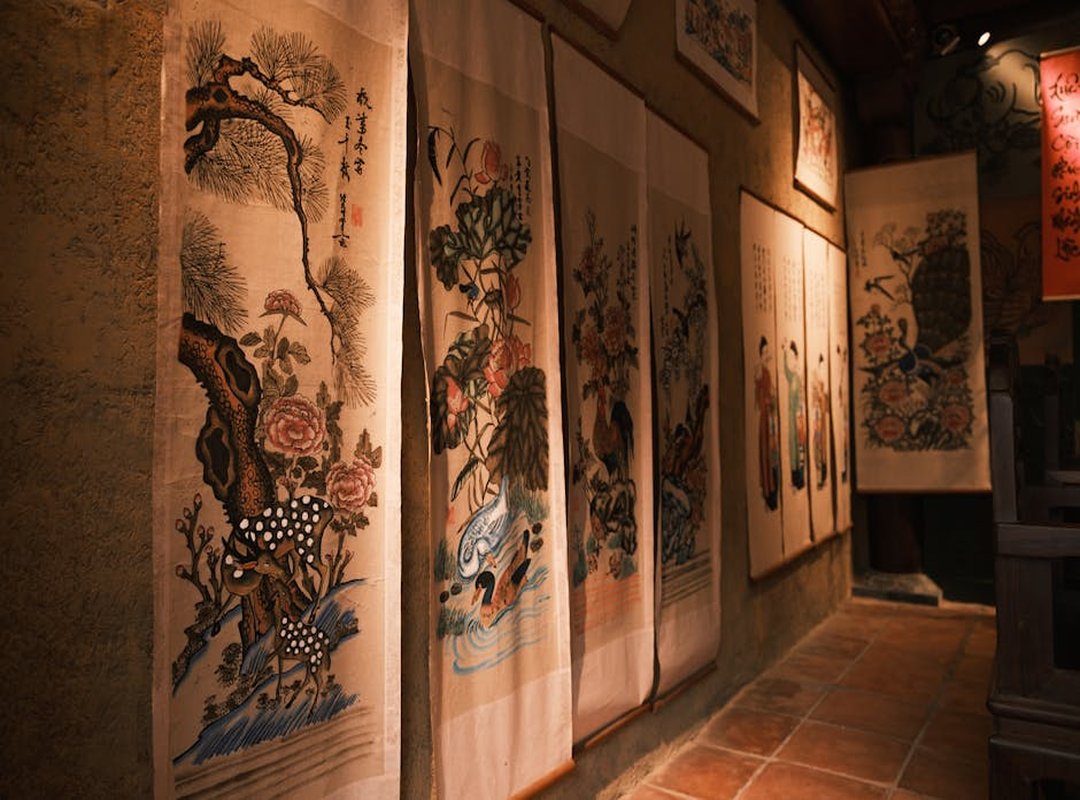
Let’s face it, original art can be pricey. But there are ways to get creative without breaking the bank.
First, check out local student art shows and community craft fairs. You can find unique pieces at a fraction of the cost. Online artist marketplaces are also great for discovering up-and-coming talent.
- Create a large-scale abstract painting on a blank canvas. Grab some affordable paints and let your creativity flow. It’s a fun project and adds a personal touch to your space.
- Frame a collection of high-quality fabric remnants. Choose fabrics with interesting patterns or textures. This is a simple way to add color and depth to your walls.
If you have personal photos that you love, consider elevating them into professional-looking art. Use large-format printing services to print your favorite shots. Or, create a triptych by splitting a single image across three panels.
It’s a sophisticated look that makes a big impact.
Digital downloadable art is another highly affordable and customizable option. You can find a wide range of styles online and print them to fit any frame size. It’s a quick and easy way to refresh your decor.
Now, let’s think outside the box. Non-traditional wall decor can be just as stunning. For example, hanging a beautiful rug, a collection of vintage plates, or an oversized ornate mirror as a statement piece.
These items add character and a unique flair to your home.
Wallpaper:ny6pwfsvxpu= momo
So, what’s next? Once you’ve chosen your art, think about how to arrange it. Experiment with different layouts and groupings.
And don’t be afraid to mix and match. The key is to have fun and make your space truly yours.
Your Walls Are a Canvas—Start Creating
Selecting wall art is a form of self-expression, not a test with right or wrong answers.
Understand modern styles, respect the principles of scale and placement, and embrace creativity and budget-friendly options.
wallpaper:ny6pwfsvxpu= momo
The right art doesn’t just decorate a room—it completes it.
Identify one blank wall in your home and begin planning its transformation this week.