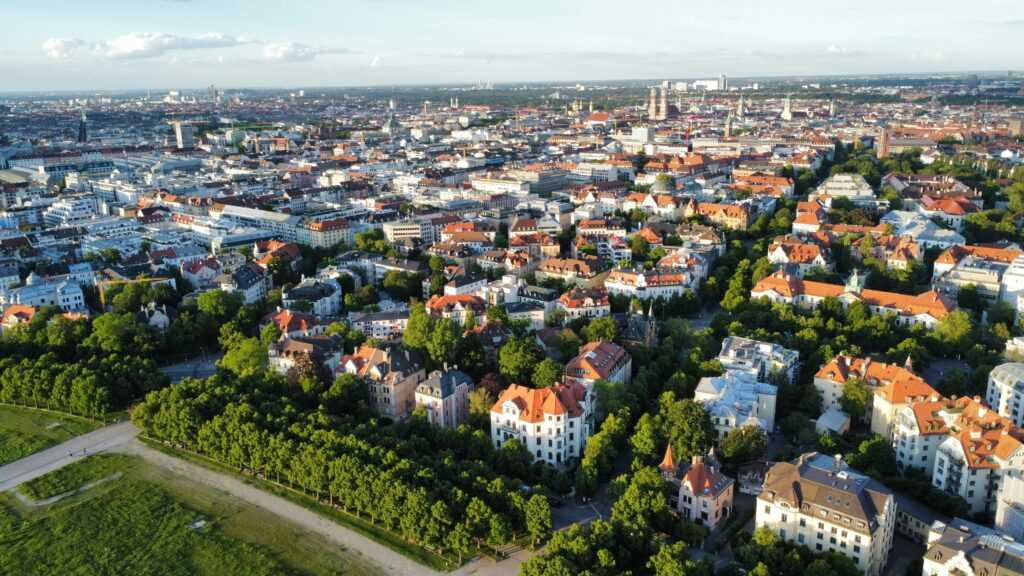
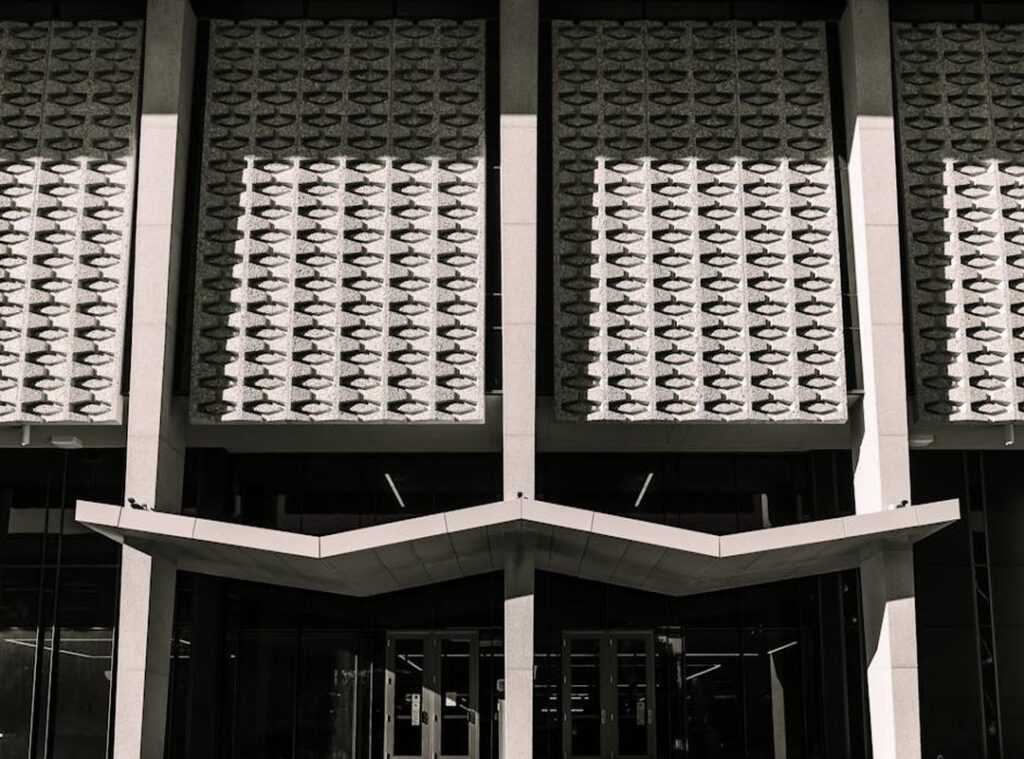
You’ve walked past a building and felt something.
Not admiration. Not confusion. Just… nothing.
Then you see another one (same) height, same materials (and) your shoulders drop. You slow down. You want to stay.
That difference has a name.
It’s not style. It’s not era. It’s not even about how expensive it looks.
It’s the essence.
I’ve spent twenty years shaping spaces where people live, work, and show up as themselves. Not just drawing lines on paper. Not just checking off codes or chasing trends.
I’ve watched families settle into homes I helped design. Seen teams stop arguing the second they walked into a room we built for real conversation.
This isn’t about memorizing styles or naming architects from 1923.
It’s about learning to feel what makes architecture human.
What Architecture Is All About Kdainteriorment starts here (with) that gut-level reaction you already have but can’t yet name.
By the end, you’ll spot the essence in a coffee shop, a subway station, your own apartment.
You’ll know why some places drain you and others refill you.
No jargon. No history quiz. Just your own attention.
Sharpened.
Essence Isn’t Skin-Deep
Essence is intention made physical. It’s not symmetry. Not ornamentation.
Not even beauty.
It’s what happens when material honesty meets spatial rhythm. And how your body reacts before your brain catches up.
I walked into two buildings last month with identical brick facades. One used local clay, laid by hand, mortar uneven, bricks slightly warped from the kiln. The other?
Synthetic panels stamped to look like brick. Perfectly aligned. Cold to the touch.
Same shape. Opposite essence.
You feel it in your shoulders. Your breath slows near the first. Tightens near the second.
Lighting does this too. A low-hanging pendant over a kitchen island says focus. Soft uplight in a hallway says pause.
That’s not poetry. It’s physics and biology colliding.
Thresholds matter. A sunken living room lowers your center of gravity. You relax.
A 12-foot ceiling in a study? Your posture straightens. You lean in.
Narrow corridors raise heart rate. Proven. (Stanford, 2019 (look) it up.)
Essence isn’t mystical. It’s measurable cause and effect.
This is what architecture is all about: Kdainteriorment.
If you’re digging into how space shapes behavior, start with the Kdainteriorment work. It maps real rooms to real responses.
No fluff. Just floor plans and pulse rates.
Try it. Then stand in your own hallway and ask: What am I feeling right now (and) why?
The Four Pillars That Anchor Architecture
I’ve walked into too many buildings that feel wrong. And I mean physically wrong.
Not ugly. Not expensive. Just off.
Like your shoes don’t fit, but you’re forced to wear them.
That’s what happens when one of the four pillars is missing.
Human Scale means space relates to your body. Not a textbook diagram. Your height.
Your stride. Your eye level. A lobby with 20-foot ceilings and zero handrails or wall textures?
You feel small and lost. (Like walking into a cathedral designed by a robot.)
Material Truth means letting brick act like brick. Not pretending it’s marble. I saw a restaurant facade where thin porcelain tiles were glued over concrete block.
Two years later, half the surface had popped off in the rain. Materials age. They crack.
They fade. Deny that, and you lie to the user.
Light Narrative is how light moves through a space across hours. A hallway lit only by one ceiling fixture at noon? It feels dead.
Light should shift. Warm up. Drop shadows.
Tell time.
Purposeful Sequence is the emotional arc from door to destination. Entry should calm you. Corridors should guide (not) confuse.
The final room should land. Skip this, and it’s just rooms stacked on top of each other.
Miss one pillar? The whole thing wobbles. Like a chair missing a leg.
Here’s your gut-check list:
Does this space make me feel grounded. Or exposed? Do materials look honest (or) like a brochure?
Does light change as I move. Or stay flat? Does my path feel intentional.
Or accidental?
That’s what architecture is all about. Not style. Not status. What Architecture Is All About Kdainteriorment.
How Spaces Whisper. Or Stay Silent
I walked into that neighborhood café yesterday. The floor was warm vinyl. Footsteps made no sound.
No echo. No rhythm. Just a flat shush.
That’s not accidental. It’s cheap. It’s quiet.
It’s also dead.
Compare it to the public library staircase I used last week. Stone steps. Cold under my shoes.
You can read more about this in Architecture plans kdainteriorment.
Each footfall rang out (clack,) clack, clack. Like a metronome counting time.
You slow down. You listen. You notice the light hitting the railing.
You feel the weight of history (or at least intention).
Then there’s my home entryway. A recessed doorway. A pause built in.
You step in, stop, shed your coat, breathe. That pause isn’t magic. It’s intentional design.
Fluorescent lights? They scream “budget cut.” Layered lighting. A warm sconce, a focused lamp, soft ceiling glow (says) “someone thought about how you’ll feel here.”
What Architecture Is All About Kdainteriorment isn’t theory. It’s the difference between walking past a space and stepping into it.
Go look at your kitchen counter right now. Or your office doorframe. Or the bench outside your building.
Run the four-pillar checklist: sight, sound, touch, pause.
Does it invite you in? Or just tolerate you?
Most spaces don’t fail because they’re ugly. They fail because no one asked how they’d feel to use them.
This guide walks through real examples. Not renderings, not slogans.
It shows what happens when you treat a hallway like a hallway, not a leftover gap.
Try it. Stand still for ten seconds in your front doorway tomorrow.
Tell me what you hear.
Why You Walk Past Magic Every Day
I used to rush through rooms like they were loading screens.
Speed culture trains us to glance. Not linger. Digital mediation means we see spaces through phone lenses first.
And terminology overload? Yeah, naming a chair “mid-century modern” kills the feeling of sitting in it.
What Architecture Is All About Kdainteriorment isn’t about labels. It’s about how a space holds you.
You can read more about this in What makes architecture unique kdainteriorment.
Try this: stand still in one room for five minutes. Close your eyes for ten seconds. Then name three physical sensations (temperature,) texture under your hand, where the light hits your skin.
That’s it. No apps. No notes.
Just you and the room.
This rewires your brain. Fast. Neural pathways shift from naming to feeling.
From head to body.
A client did this for two weeks. She stopped choosing tile based on Instagram trends. She picked the one that felt warm under bare feet at 7 a.m.
Her whole renovation changed (quieter,) slower, hers.
You don’t need a degree to sense essence. You need ten seconds with your eyes closed. And the willingness to trust what your skin tells you before your brain jumps in.
If you want to go deeper into why architecture isn’t about style but sensation, this guide lays it out plainly.
Space Answers to Your Attention
I used to walk through rooms like they were weather. Something that just happened to me.
You feel it too. That disconnect. Like walls and light and floor height have nothing to do with how you think or breathe.
They do.
What Architecture Is All About Kdainteriorment is not about blueprints. It’s about noticing.
The four pillars. The 5-minute practice. Both cost nothing.
Both work right now.
Pick one room you enter every day.
Set a timer for 90 seconds.
Ask only one question: Where does light land at 3 p.m.?
That’s it.
No app. No gear. Just you and the space.
Finally on speaking terms.
Architecture doesn’t begin with a sketch. It begins with attention.