
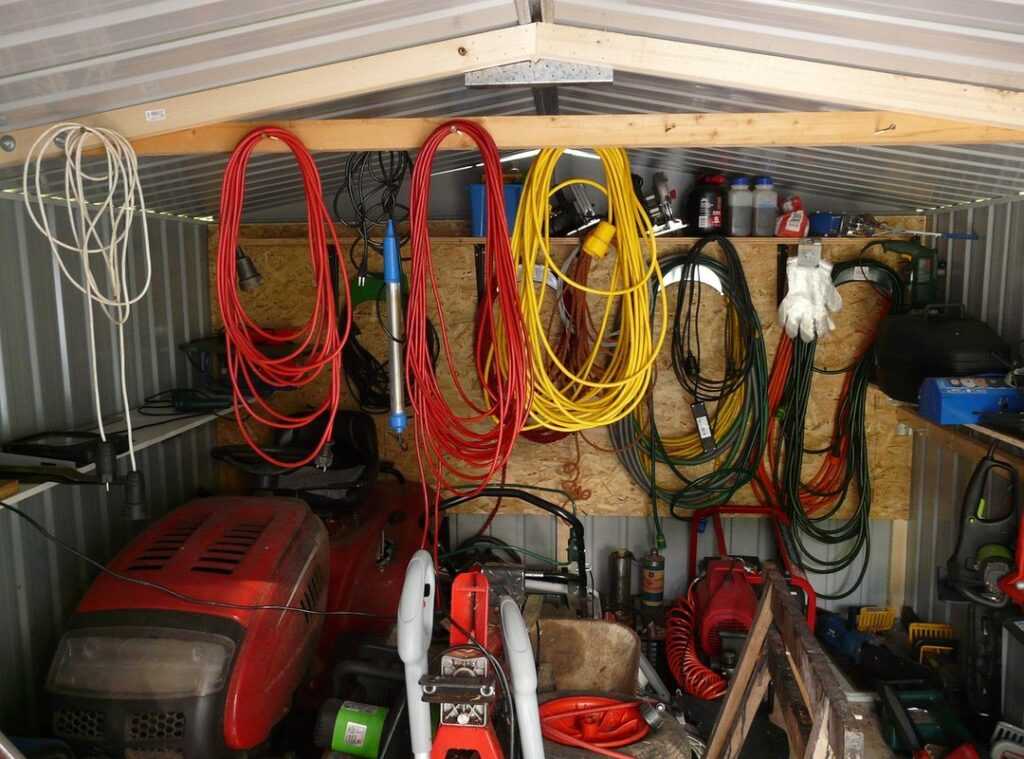
I hate clutter.
You do too.
That pile of garden tools by the back door? The bikes stacked in the garage? The holiday decorations you haven’t seen since 2019?
It’s not laziness. It’s bad storage.
Most people buy a shed hoping it fixes everything. Then they get one that’s too small, too flimsy, or just plain wrong for their yard.
I’ve seen it happen. Twice. Once with my neighbor’s rusted-out metal shed (rain got in).
Once with my cousin’s overpriced cedar thing (no floor, no anchor, blew over in a gust).
This isn’t about picking a shed. It’s about picking your shed.
What fits your space? Your budget? Your actual habits.
Not the ones you pretend to have?
We break down size, material, foundation, and local rules (no) jargon, no fluff. Just what works and what doesn’t.
You’ll learn how to spot cheap shortcuts before you sign anything. How to read a warranty without falling asleep. When to call a pro (and) when to skip it.
By the end, you’ll know exactly what to buy. Not what’s trending. Not what looks nice in a photo.
What holds up. What lasts. What stops the chaos.
This is the Garage Shed Guide Appchousehold.
You walk away confident. Not confused.
Garage Sheds Fix Real Problems
I hate digging through my garage for a screwdriver. You do too. It’s not just annoying (it’s) dangerous.
Tools get lost. Lawnmowers rust. Bikes get knocked over.
A garage shed solves that. Not magic. Just space.
I moved my mower, rakes, and holiday lights into one last spring. My garage fits two cars again. Actually fits them.
Not half-in, half-out like before.
You want your stuff safe. Not sitting in damp air or baking in summer sun. A shed keeps rain off your tools and thieves out of your gear.
It also kills decision fatigue. No more “where does this go?” Every item has a home. Garden hose?
Shed. Skateboards? Shed.
That weird power washer you bought once? Yeah (shed.)
The Garage Shed Guide Appchousehold helps you pick the right size and style without wasting time. I used it. Saved me three trips to the hardware store.
Discover how the Appchousehold can help you design and organize your garage shed efficiently for better storage solutions.
You’re tired of tripping over things.
So am I.
Why keep pretending your garage is functional? It’s not. Not until you take stuff out of it.
A shed isn’t extra storage.
It’s reclaimed sanity.
Wood, Metal, or Plastic? Pick One.
I built my first shed out of wood. It looked great for three years. Then the rain got in and the paint peeled like old sunburn.
Wood feels warm. You can stain it, paint it, add windows. But you will seal it every two years.
Skip it once and rot starts hiding under the floorboards. (Ask me how I know.)
Metal sheds last longer. They shrug off hail and won’t burn. But leave them unpainted in humid air and rust blooms fast.
Especially near the base. And no, that gray corrugated look does not go with your cedar fence.
Plastic (resin) sheds snap together in a weekend. No painting. No rust.
Just hose it down when it gets dusty. But lean on the wall too hard? It flexes.
Leave it in full sun for five years? It fades to chalky beige.
So ask yourself:
How much rain does your yard get? How long do you plan to keep it? What’s your budget (not) just for buying, but for fixing later?
And honestly (do) you care if it matches your house?
Moisture-sensitive gear? Resin wins. Heavy tools and snow loads?
Metal holds up. Want charm and don’t mind upkeep? Wood works.
The Garage Shed Guide Appchousehold helps weigh those trade-offs fast. Not magic. Just real talk.
How Big and Where to Put Your Shed
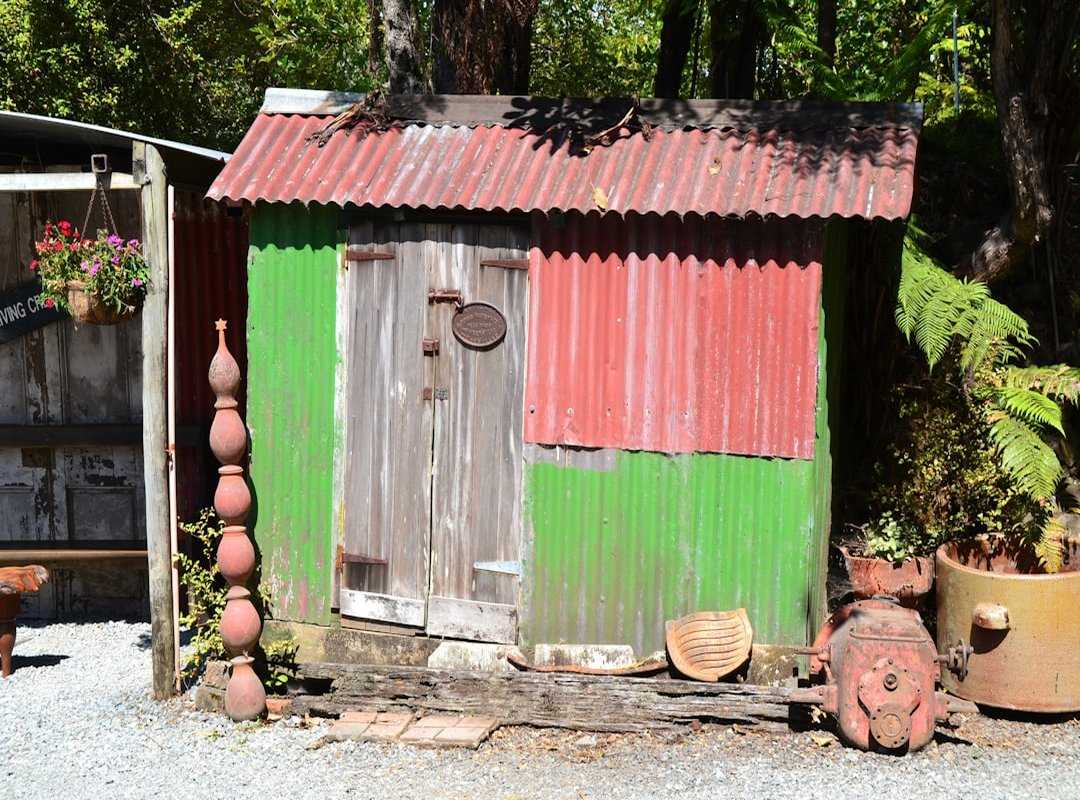
I measured my lawnmower first. Then the snow blower. Then the garden tools I never use but swear I will.
You need actual numbers. Not guesses. Write down every item you plan to store.
Measure each one. Add five inches for wiggle room.
Then add another twenty percent. For stuff you’ll buy later. Or for the fact that you’ll forget where you put the rake and need space to walk around it.
Location matters more than you think.
I put my first shed too close to the fence. Water pooled there every spring. It rotted the floor in three years.
(Turns out, drainage isn’t optional.)
Put it on high ground. Near a path (but) not blocking it. Avoid full sun all day if you’re storing paint or chemicals.
And keep it away from overhead wires.
If you want electricity inside? Check where your outdoor outlet is. Or where the breaker panel sits.
Running new lines costs more than the shed.
Before you buy anything. Check your local zoning rules. And your HOA.
They limit height, size, and how far back from the property line you can build.
The Building Checks Appchousehold helps you find those rules fast. No digging through PDFs.
Stake it out first. Use spray paint or string. Stand back.
Look at it next to your house. Walk around it. Ask yourself: Does this feel right (or) did I just shrink my yard?
It’s not permanent until you pour concrete. So test it. Really look.
What Your Garage Shed Actually Needs
I built mine last spring.
And I learned fast what works (and) what doesn’t.
Wood floors rot if the ground stays wet. Concrete holds up but gets icy in winter. Plastic bases?
They’re light, cheap, and drain well (but) don’t hold heavy tools without sinking.
You ever open your shed in July and get hit with that thick, hot air? That’s why vents matter. Windows help too.
Especially if you store paint or solvents.
Single doors are fine for bikes. Double doors let in a lawnmower. Roll-ups work if you park a car inside (which you shouldn’t.
But people do).
Shelving saves your back. Pegboards keep things visible. Hooks stop clutter from piling on the floor.
Locks? Don’t skimp. A flimsy latch won’t stop anyone.
Reinforced doors and deadbolts actually slow them down.
You want real advice. Not buzzwords. The Home Building Guide Appchousehold covers this stuff without the fluff.
It’s the Garage Shed Guide Appchousehold I wish I’d found first.
Your Shed Starts Today
I’ve walked through this before. You’re tired of tripping over boxes in your garage. Tired of wasting time searching for tools.
Tired of pretending the clutter isn’t getting worse.
That’s why you’re here. Not to read another vague article. But to act.
You now know how to pick the right shed. Assess what you actually need to store. Choose material that won’t rot or warp in five years.
Pick a size that fits (not) one that swallows your driveway. And yes. Location matters.
Right next to the door. Not behind the trash cans.
This isn’t about buying something fast. It’s about buying something that lasts. Something you won’t regret in six months.
The Garage Shed Guide Appchousehold gave you the steps. No fluff. No guessing.
Just clear choices.
So stop waiting for “someday.”
Someday is when your lawnmower rusts under a tarp.
Grab a tape measure. Step outside right now. Measure the space where your shed will go.
Then open the Garage Shed Guide Appchousehold and start comparing options. With confidence.
You already know what to look for.
Now go build it.